World cuisines for home kitchens
Cook the world's kitchens at home
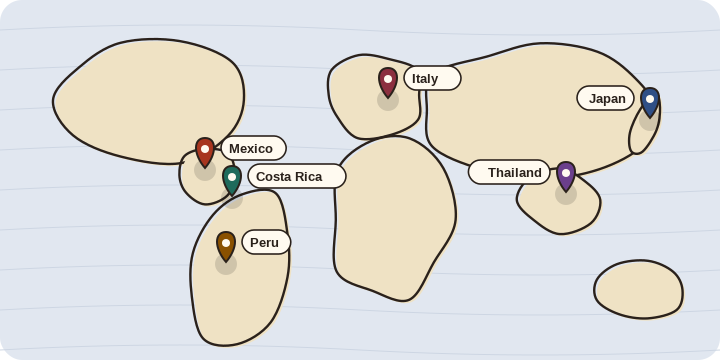
Clear recipes from six cuisines — Costa Rican, Mexican, Peruvian, Italian, Japanese and Thai — with the techniques behind them, honest notes on unfamiliar ingredients, the equipment that actually helps, and places to learn each cuisine where it comes from.
Recipe, the right gear, then cook it where it's from
A clear recipe
Traditional-leaning home versions with metric and US units, numbered steps, and substitutions for hard-to-find ingredients. How we write recipes.
The gear that matters
Each recipe lists the equipment it needs and links to research-based guides on cookware and kitchen tools.
Cook it where it's from
When you travel, take a cooking class or food tour in the cuisine's home country. See cooking experiences.
Six cuisines to start
Cocina costarricense
Costa Rican
Rice and beans, slow soups, ripe plantain and a bottle of Salsa Lizano on every table: Costa Rican food is gentle, generous and built for home cooks.
Cocina mexicana
Mexican
Corn, chiles and beans, handled with skill: start with tortillas from masa harina and a good salsa, and much of the Mexican table opens up.
Cocina peruana
Peruvian
Ají amarillo, lime, potatoes and a long history of migration: Peruvian food mixes Andean, coastal, Chinese and Japanese influences on one table.
Cucina italiana
Italian
Few ingredients, carefully handled: Italian home cooking rewards good cheese, patient simmering and knowing how to turn pasta water into a sauce.
Washoku 和食
Japanese
Start with dashi and properly cooked rice. Most Japanese home cooking builds from those two things.

Ahaan Thai อาหารไทย
Thai
Sour, salty, sweet and hot in balance: Thai cooking is about tasting and adjusting, with a mortar, a wok and a well-stocked pantry.
Coming next: Colombian, Vietnamese, Indian, Spanish.
Pick a way of cooking
Good places to begin
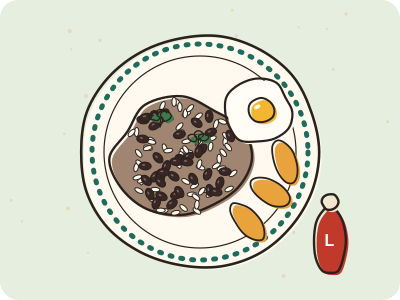 Costa Rican
Gallo Pinto
Costa Rica's everyday rice and black beans, fried together until the rice takes on the colour of the bean broth.
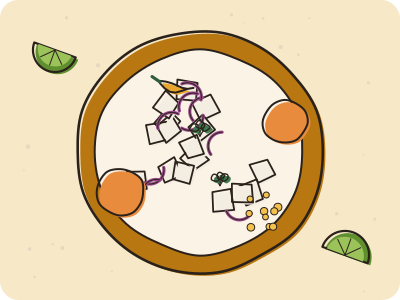 Peruvian
Ceviche Clásico
Peru's classic ceviche: very fresh white fish, lime, ají, red onion and salt, served within minutes of mixing.
 Mexican
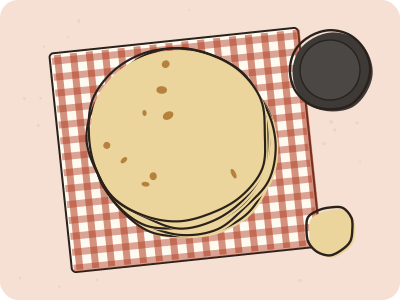
Corn Tortillas from Masa Harina
Soft, puffy corn tortillas from masa harina, water and salt — the base for tacos, enchiladas and more.
 Italian
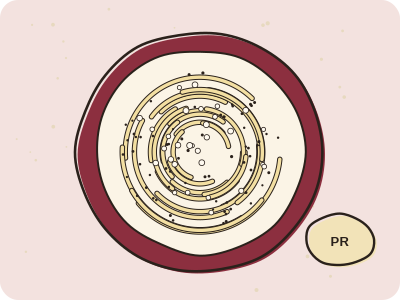
Cacio e Pepe
Roman pasta with just Pecorino Romano, black pepper and starchy pasta water, emulsified into a creamy sauce.
 Japanese
Dashi and Miso Soup
A clear kombu and katsuobushi stock, then the simple everyday miso soup made from it.
 Thai
Pad Kra Pao
Thailand's fast holy-basil stir-fry: minced chicken with pounded garlic and chiles, over rice with a crisp fried egg.
Techniques behind the recipes
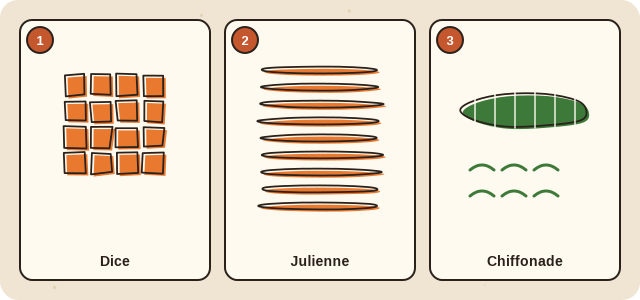
Knife basics
How to hold a chef's knife, use the claw grip, and cut a dice, julienne and chiffonade, with the cuts each WorldCooks recipe calls for.
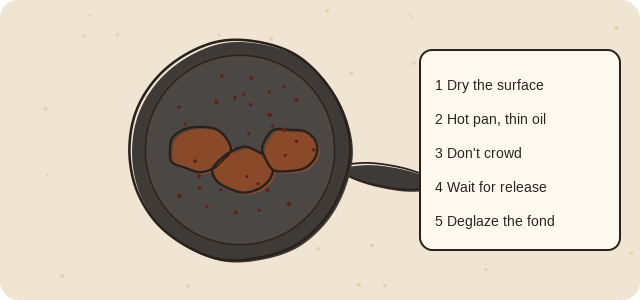
Searing & fond
How to sear meat and vegetables properly: dry surfaces, hot pans, not crowding, waiting for release, and deglazing the fond into a sauce.
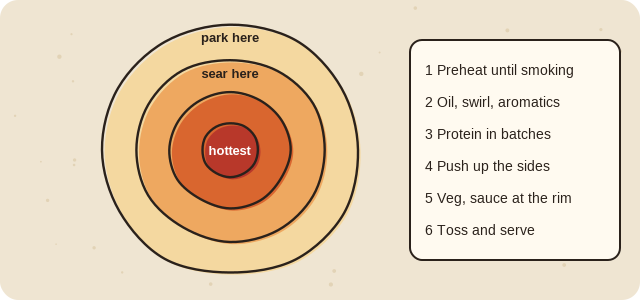
Wok stir-frying
Stir-fry on a home stove without steaming the food: preheating, wok heat zones, small batches, sauce at the rim and when to use a skillet.
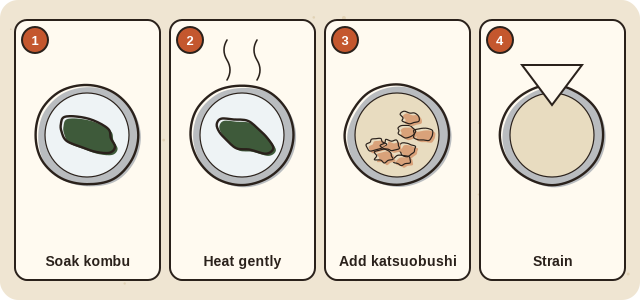
Stock & dashi
How to make a clear stock and Japanese dashi: cold start, gentle simmer, skimming, and the kombu-katsuobushi method with a vegetarian option.