As an Amazon Associate I earn from qualifying purchases. We may also earn from Viator and GetYourGuide bookings. Disclosure
Research-based guide: product notes are based on manufacturer specs and listing details.
Why a whetstone
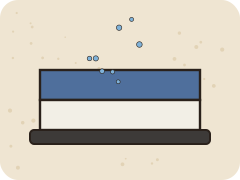
Whetstones remove a small amount of steel to form a new edge. A combination stone with 1000 grit (sharpening) and 6000 grit (polishing) covers most home needs.
Basic method
Soak the stone if it's a soaking type (follow the instructions), and set it on a non-slip base.
Hold the knife at a consistent angle — roughly 15–20° for most kitchen knives.
On the 1000 side, sharpen one side with even strokes until you can feel a slight burr along the opposite edge.
Repeat on the other side.
Polish both sides on the 6000 side with lighter strokes.
Rinse and dry the knife and stone.
Honing
A honing rod realigns the edge between sharpenings on softer Western knives. Harder Japanese blades are better maintained with a few light strokes on a fine stone.
Listings
Example listings
Chosen from product listings that match this guide. Details are paraphrased from each listing; WorldCooks hasn't used these items in a test log.
Combination whetstone
Knife Sharpening Stone–Whetstone 1000/6000 Grit
A 1000/6000 grit combination stone covers regular sharpening (1000) and polishing (6000).