As an Amazon Associate I earn from qualifying purchases. We may also earn from Viator and GetYourGuide bookings. Disclosure
Fresh egg pasta
The standard ratio is 100 g (¾ cup) flour — Italian '00' or all-purpose — to 1 large egg per person. Make a well, beat the eggs inside, draw in flour, then knead 8–10 minutes until smooth. Wrap and rest 30 minutes so the gluten relaxes. Roll by hand or through a pasta roller, working from the widest setting down, folding and re-rolling a couple of times on the widest setting first. For tagliatelle, roll to about 1 mm, dust with semolina, roll up loosely and cut 6–8 mm ribbons.
What makes a sauce emulsify
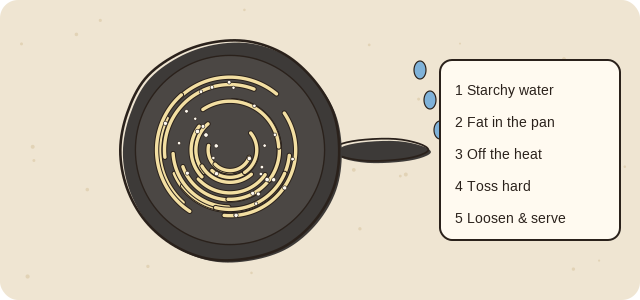
Pasta water carries starch, which helps fat and water stay mixed. Tossing pasta vigorously in a pan with a little of that water plus butter, oil or cheese creates a glossy sauce that coats the strands. Use less cooking water than usual (2 L for 200 g pasta) to concentrate the starch.
Heat control with cheese
Cheese proteins tighten and clump when overheated. For cacio e pepe and similar dishes, take the pan off the heat before adding cheese, make a paste of cheese and warm water first, and add hot water gradually while tossing.
Finishing
Undercook pasta by 1–2 minutes in the pot and finish it in the sauce. Loosen with more pasta water right before serving — sauces tighten as they cool on the plate.
Pantry & tools
Example listings
Chosen from product listings that match this guide. Details are paraphrased from each listing; WorldCooks hasn't used these items in a test log.
Manual pasta roller
Sailnovo 3-in-1 Pasta Maker with 9-Setting Pasta Roller & Cutters
A hand-cranked roller makes even sheets of fresh egg pasta for tagliatelle and lasagne.